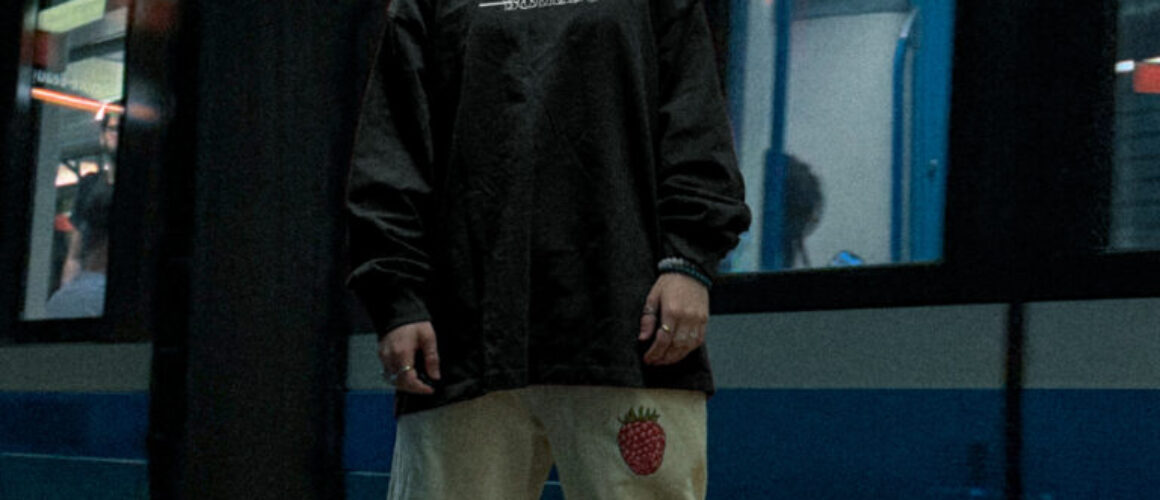
THE EVOLUTION OF HIP-HOP STYLE IN QUEBEC: FROM BAGGY TO EMOTIONAL MINIMALISM
Quebec hip-hop through the ages: From baggy to emotional minimalism, a journey of trends
Welcome to the dynamic and ever-evolving universe of Quebec hip-hop. Its unique hip-hop style tells a rich and fascinating story. It has moved from the baggy era, which embodied unbridled freedom, to the minimalist and emotional trends of today. Yet, beyond mere aesthetic trends, each period reflects personal and collective struggles. It also bears witness to social movements and cultural revolutions. So, embark on this journey through the trends. You will discover how the boldness of the 90s intersects with the sensitivity of contemporary artists. Thus, hip-hop has managed to adapt and reinvent itself. Above all, it has managed to amplify the voice of young Quebec creators. Get ready to dive into the heart of a phenomenon in motion. Far from being static, it continues to evolve, carrying with it narratives of resilience and passion.
The origins of hip-hop in Quebec
Quebec hip-hop finds its roots in the 1980s. This period was marked by great cultural fervor. Influenced by American movements, Quebec saw the emergence of its first groups. These artists sought to adapt this urban culture to their own reality. At that time, Montreal became a hub of experimentation. Young people from diverse backgrounds gathered there to create something unique. Gradually, the first DJs, rappers, and breakdancers made a name for themselves. They brought with them elements like graffiti and fashion.
The nascent scene was marked by a desire for rebellion and personal expression. Often, the lyrics reflected the social and economic challenges faced by youth. The first artists used their music to denounce injustices. Thus, they shared their life experiences. This period was crucial in forming a distinct hip-hop identity. It was rooted in Quebec’s reality.
Among the pioneers, we find artists like Mouvement Rap Francophone (M.R.F.) and Les Messagers du Son. These groups played a decisive role. Thanks to them, hip-hop culture became established in the province. They organized events and recorded the first Quebec rap albums. Their influence is still felt today. Indeed, they paved the way for a new generation of artists.
The baggy era: Characteristics and influence
The baggy era dominated the 1990s. It remains one of the most iconic periods. Loose, casual clothing symbolized a form of freedom and non-conformity. Young people adopted oversized pants and large t-shirts. They also wore hoodies and caps, often featuring popular brands. This style of dress affirmed a belonging to hip-hop culture. Moreover, it allowed them to stand out from standardized fashion.
However, the baggy era wasn’t just about fashion. It represented an attitude, a rebellious and independent state of mind. Artists used their style to convey messages of resistance. Their songs addressed themes like the fight against oppression. It was also about a search for identity and cultural pride. Baggy fashion was a natural extension of this mentality.
American influences were omnipresent. But Quebec artists added their own touch. Groups like Dubmatique and Loco Locass emerged. They brought sounds and narratives specific to their environment. Their music videos perfectly illustrated the baggy style. This period also saw the popularization of breakdance battles. Dress style played a crucial role in creating a striking image.
The impact of urban culture on dress style
Urban culture had a considerable impact on dress style. Streetwear, for example, became an essential component. These street-inspired clothes were practical and functional. Thus, they allowed artists and fans to express their identity freely. Sneakers and ripped jeans became staples. They added accessories like chains and bulky watches.
Graffiti also influenced hip-hop fashion. Their bright patterns and colors were often found on clothing. The result was a bold and artistic look. Artists frequently collaborated with graffiti artists. This fusion contributed to the rise of a distinctive urban fashion.
Dance also played a role in the evolution of style. Breakdance required comfortable clothes. They needed to allow for great freedom of movement. This is why loose pants and large t-shirts were so important. Dancers often personalized their outfits. This personalization added a unique dimension to hip-hop fashion.
Icons of Quebec hip-hop and their style
The icons of Quebec hip-hop defined and disseminated the fashion. Artists like Dubmatique, Koriass, and Alaclair Ensemble have left their mark on the music scene. Furthermore, they influenced fashion trends. Their unique style has inspired generations of fans.
Dubmatique is considered the first Quebec rap group to achieve national recognition. They introduced the baggy style into popular culture. Their videos showcased characteristic looks. Their impact on hip-hop fashion in Quebec was immense.
Koriass embodies the transition between the old school and the new school. His dress style is constantly evolving. It reflects contemporary trends while remaining true to his roots. Often, he mixes streetwear pieces with minimalist elements. His influence inspires many young people.
Alaclair Ensemble has left an indelible mark. Their style is an eclectic mix of vintage clothing and oversized pieces. This combination reflects their inventive music. Their bold fashion choices have inspired a new generation to embrace their individuality.
The transition towards emotional minimalism
The shift from baggy style to emotional minimalism marks a significant evolution. This transition reflects not only aesthetic changes but also an artistic transformation. Contemporary artists are turning towards clean looks. They seek to emphasize authenticity and personal expression.
Emotional minimalism is characterized by more fitted clothing. The cuts are simple, often in sober colors. This approach strongly contrasts with the exuberance of the baggy era. It symbolizes a form of artistic maturity. Artists express deep emotions. Their dress style reflects this introspection.
Furthermore, this trend is influenced by environmental awareness. Many artists are adopting responsible consumption practices. They prioritize quality clothing and ethical brands. This approach aligns hip-hop fashion with values of sustainability.
Finally, this evolution testifies to a desire to stand out from stereotypes. Artists are exploring new forms of creativity. This period is marked by an openness to diversity of styles.
Contemporary trends in Quebec hip-hop
Current trends reflect the diversity and innovation of the scene. Artists embrace a variety of styles. They fuse streetwear, haute couture, and vintage fashion. The result is a unique and personal look.
Streetwear remains central, but with a touch of sophistication. Thus, artists integrate designer pieces into their outfits. These collaborations blur the lines between the street and luxury. This trend reflects an aspiration for authenticity and elegance.
Vintage is enjoying a resurgence in popularity. Artists revisit the styles of the 80s and 90s. They reinterpret them with a modern touch. Thrift stores become popular destinations. This trend celebrates individuality and creativity.
Moreover, international influences play an important role. Artists are open to global trends. They integrate elements of Japanese, Korean, and European fashion. This openness enriches the local scene.
The influence of social media on hip-hop style
Social media has transformed the perception and adoption of hip-hop style. Platforms like Instagram and TikTok are crucial. Thanks to them, trends spread rapidly. Young people have direct access to their idols’ looks.
Artists use these platforms to share their outfits. Their posts become sources of inspiration for millions of fans. Fashion influencers also play an important role. They present innovative styles and recommend brands.
Furthermore, collaborations between artists and brands are often orchestrated online. These partnerships generate immediate excitement. For fans, this means access to exclusive collections.
Finally, social media allows for greater democratization of fashion. Young creators can make a name for themselves without traditional channels. This accessibility has paved the way for a greater diversity of styles.
Events and festivals celebrating hip-hop in Quebec
Events and festivals are crucial for celebrating and promoting this culture. They are both entertainment opportunities and artistic platforms. Festivals like FME, the Montreal Jazz Festival, and the Under Pressure Festival are notable.
The Festival de musique émergente (FME) is an important showcase. It offers a platform for emerging hip-hop artists. Each year, it attracts thousands of fans. Live performances allow for the presentation of both music and style.
The Montreal International Jazz Festival has expanded its program. It now includes hip-hop artists. Its stages have become meeting points. Again, fashion plays a central role there.
The Under Pressure Festival celebrates graffiti, breakdance, DJing, and rap. This event brings together local and international artists. It offers a space for creativity and innovation. The outfits of the participants reflect the richness of urban culture. This festival promotes hip-hop style while celebrating its roots.